



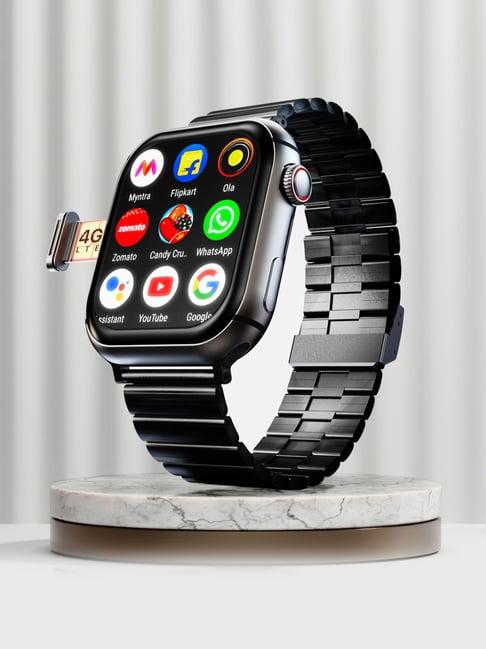
: The Future of Wearable Technology In today’s digital world, technology has become an essential part of our daily lives. Among the most popular wearable devices, the smart watch stands out as a revolutionary gadget that combines style, convenience, and advanced technology. A smart watch is much more than a traditional timepiece. It helps users stay connected, track fitness goals, monitor health, and manage daily tasks directly from their wrists. The growing popularity of smart watches can be attributed to their ability to simplify life. Whether you are a fitness enthusiast, a busy professional, or someone who enjoys staying connected, a smart watch offers numerous benefits. From receiving notifications to monitoring heart rate and sleep patterns, these devices have transformed the way people interact with technology. What Is a Watch? A smart watch is a wearable electronic device designed to be worn on the wrist. Unlike traditional watches that only display time, smart watches offer a wide range of features such as fitness tracking, health monitoring, smartphone notifications, GPS navigation, and mobile payment options. Modern smart watches work by connecting to smartphones through Bluetooth or Wi-Fi. Once connected, users can access messages, calls, emails, social media alerts, and various applications directly from the watch. Evolution of Watches The concept of wearable technology has existed for decades, but modern smart watches gained popularity in the early 2010s. Initially, these devices were limited in functionality. However, advancements in technology have transformed them into powerful wearable computers. Today’s smart watches feature: High-resolution touchscreens Advanced sensors Long battery life Voice assistants Fitness tracking capabilities Wireless connectivity As technology continues to evolve, smart watches are becoming increasingly sophisticated and capable. Key Features of a 1. Fitness Tracking One of the primary reasons people purchase smart watches is fitness tracking. These devices can monitor: Steps taken Distance traveled Calories burned Exercise duration Activity levels Fitness tracking helps users maintain an active lifestyle and achieve their health goals. 2. Heart Rate Monitoring Most modern smart watches include optical heart rate sensors that continuously monitor heart rate throughout the day. This feature provides valuable insights into cardiovascular health and exercise performance. 3. Sleep Tracking Quality sleep is essential for overall well-being. Smart watches can analyze sleep patterns, including: Deep sleep Light sleep REM sleep Sleep duration Users can improve their sleep habits based on the collected data. 4. GPS Navigation Built-in GPS enables users to track outdoor activities such as: Running Cycling Hiking Walking GPS functionality provides accurate route mapping and distance measurement. 5. Smartphone Notifications Smart watches allow users to receive: Calls Text messages Emails Social media alerts Calendar reminders This feature reduces the need to constantly check a smartphone. 6. Voice Assistant Integration Many smart watches support voice assistants, enabling users to: Set reminders Send messages Make calls Control smart home devices Voice commands improve convenience and productivity. 7. Mobile Payments Contactless payment systems allow users to make purchases directly from their smart watches without carrying wallets or smartphones. Benefits of Using a Improved Health Monitoring Smart watches provide real-time health insights, helping users make informed lifestyle decisions. Features such as heart rate monitoring and blood oxygen tracking support overall wellness. Increased Productivity Receiving notifications and managing tasks directly from the wrist saves time and enhances productivity. Enhanced Fitness Performance Athletes and fitness enthusiasts benefit from detailed workout analytics and performance tracking. Convenience Smart watches eliminate the need to frequently access smartphones, making daily activities more efficient. Safety Features Many smart watches include emergency SOS functions, fall detection, and location sharing capabilities for added s Health Features Blood Oxygen Monitoring Blood oxygen sensors help users understand how effectively oxygen is distributed throughout the body. ECG Monitoring Some advanced watches offer electrocardiogram functionality to monitor heart rhythm and identify irregularities. Stress Monitoring Stress tracking features analyze physiological data and provide breathing exercises to promote relaxation. Women’s Health Tracking Many watches include menstrual cycle tracking and reproductive health insights. Best Uses of a For Students Students can use smart watches to: Manage schedules Set reminders Track study sessions Stay connected For Professionals Professionals benefit from: Calendar notifications Meeting reminders Email alerts Productivity applications For Fitness Enthusiasts Fitness-focused users can track: Running performance Workout intensity Recovery time Daily activity goals For Travelers Travelers can utilize: GPS navigation Language applications Weather updates Travel reminders How to Choose the Best watch Compatibility Ensure the watch is compatible with your smartphone operating system. Battery Life Battery life varies significantly between models. Consider your usage needs before purchasing. Display Quality Look for a bright, responsive display that remains visible outdoors. Health Features Choose a model with health monitoring capabilities that align with your wellness goals. Durability Water resistance and durable materials improve longevity and reliability. Budget watches are available in various price ranges. Select one that offers the best value for your budget. vs Traditional Watch Advantages Health tracking Notifications GPS functionality App support Fitness monitoring Traditional Watch Advantages Classic design Long lifespan No charging required Timeless appeal Both options have unique benefits depending on user preferences. Common Applications Popular smart watch applications include: Fitness tracking apps Music streaming Navigation tools Weather updates Messaging platforms Productivity apps These applications enhance the overall user experience. Future of Smart The future of is incredibly promising. Emerging technologies may introduce: Advanced health diagnostics Artificial intelligence integration Extended battery life Improved biometric monitoring Enhanced connectivity As wearable technology evolves, smart will continue to play an important role in everyday life. Tips for Maintaining Your Keep It Clean Regularly clean the watch and strap to maintain hygiene and performance. Update Software Install updates to access new features and security improvements. Avoid Extreme Temperatures Protect the device from excessive heat or cold. Charge Properly Follow manufacturer recommendations for charging and battery care. Conclusion A watch is one of the most versatile and useful wearable devices available today. Combining communication, fitness tracking, health monitoring, and productivity features, it offers significant value for users of all ages. Whether you want to improve your fitness, stay connected, or simplify your daily routine,
